Valves
On this page we have a wide range of approved valves in plastic, stainless steel and other materials. You can choose from ball valves, check valves, butterfly valves and many more. Find valves on this page and get ready for more tasks.
We have valves for multiple purposes
A valve can open, close and regulate the flow of various liquids and gases. There are many different types of valves and you and your customers can use them for multiple purposes. At Alflow, you can explore the many products and find exactly the valves an installation needs.
For example, a solid butterfly valve can help close or open the flow of liquids by turning the handle. A butterfly valve is ideal for use in water supply, wastewater treatment and gas supply. It is built in a small construction, which means it doesn't take up much space. You can operate the many valves with a lever, gear or actuator
See our many valves
At Alflow, we have a great selection of valves for several industries. In our range you can experience, among other things:
- Control valves
- Globe valves
- Safety valves
- Ball valves
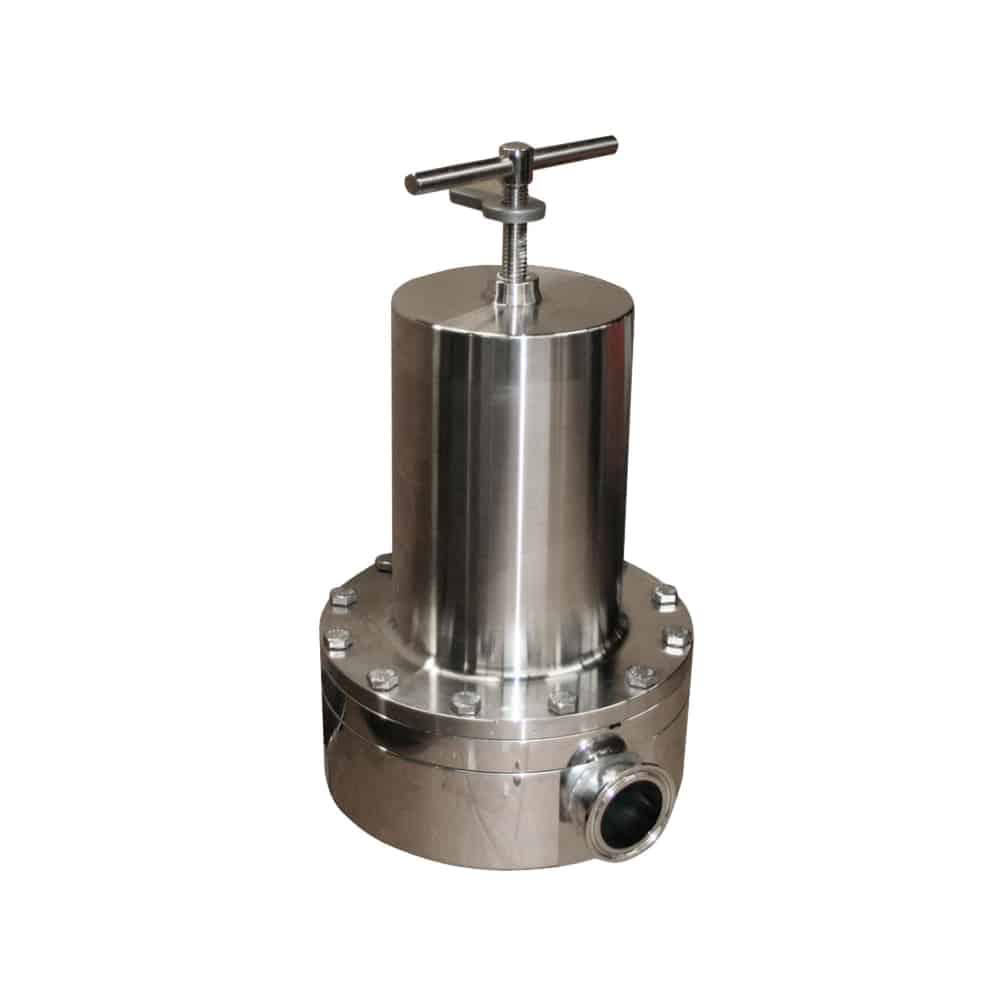
The many valve types each have their own purpose. Therefore, it's important that you choose the right type of valve for the task at hand. For example, do your customers work with water, oil and compressed air? Then you can check valves, also known as safety valves, are a good choice. It is a one-way valve, which means that the flow can only come one way. That way, water and oil, for example, do not get mixed together.
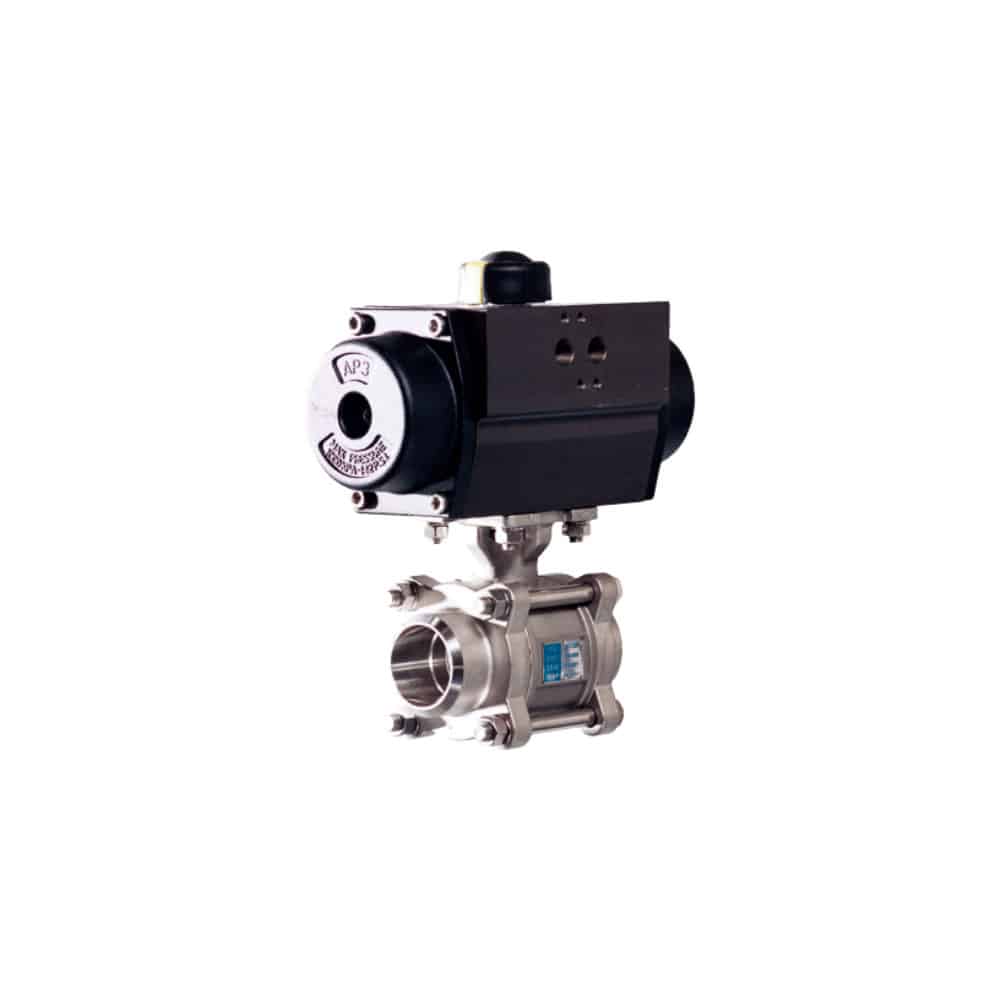
However, if you need to block a specific liquid or gas, our Smart ball valves is the right one. Here you can shut off most liquids and gases under vacuum and pressure. This means that even if you work with chemically demanding gases in vacuum or water, a good ball valve can make the job more efficient.
In other words, at Alflow you can find valves for multiple needs. Whether you work with plumbing, in the food industry or with chemical liquids and gases, we have a valve for multiple purposes on this page.
Buy valves for regulation from Alflow
When you shop at Alflow, we want you to find what you need. That's why our valves can be delivered with various certificates, including:
Our valves are made of durable and approved materials to ensure you get the most out of your installation. If you are unsure about the different certificates or which valve you should choose, you are very welcome to Contact us. Our specialists are ready to advise you on how to order the right valve.
At Alflow, we have over 20 years of experience with flow, components, applications and processes in the pharmaceutical, food and chemical industries. Alflow is a recognised and professional supplier of the highest quality products from leading brands. Buy your valves from Alflow and get the optimal result of a professional situation.
What are sanitary valves?
A sanitary valve has a design and material consumption that fulfils given standards and accepted practices in the food industry. They are typically manufactured in 316L or 304 stainless steel as well as NBR, EPDM, FPM, VQM and PTFE.
What types of valves are there?
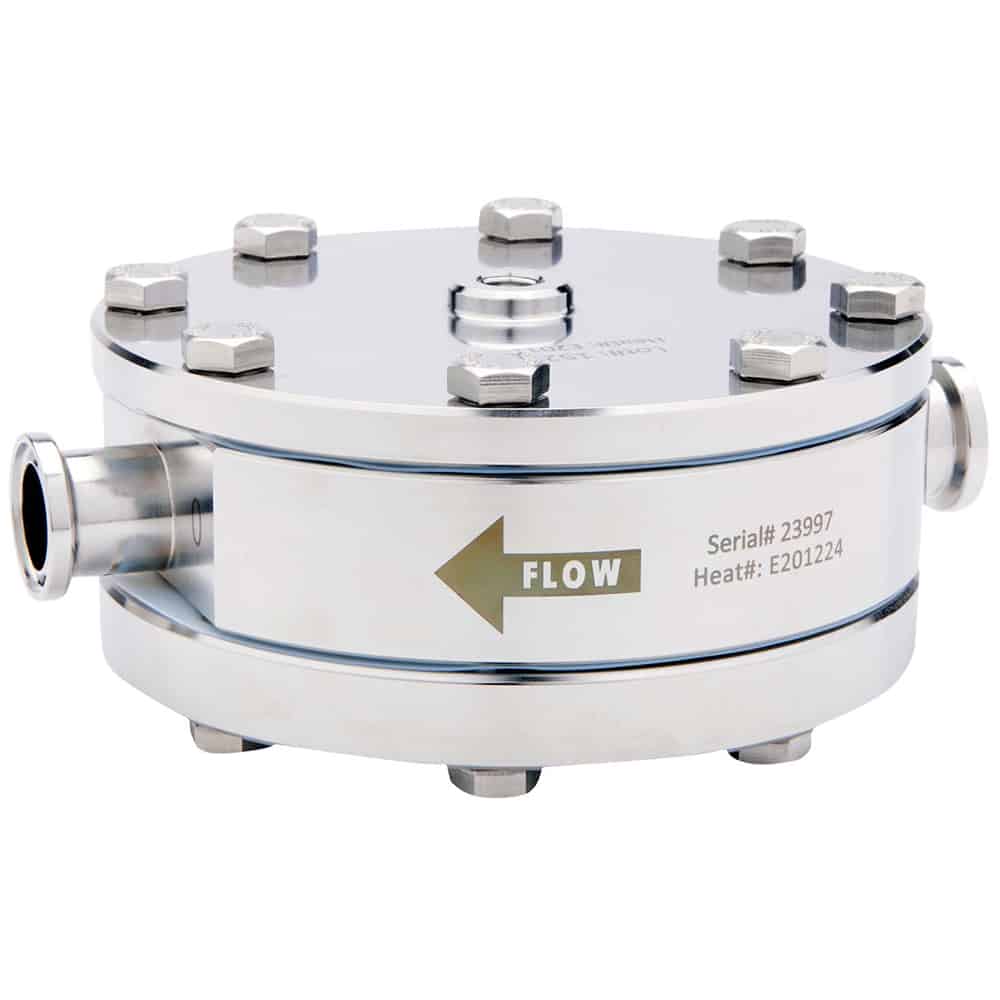
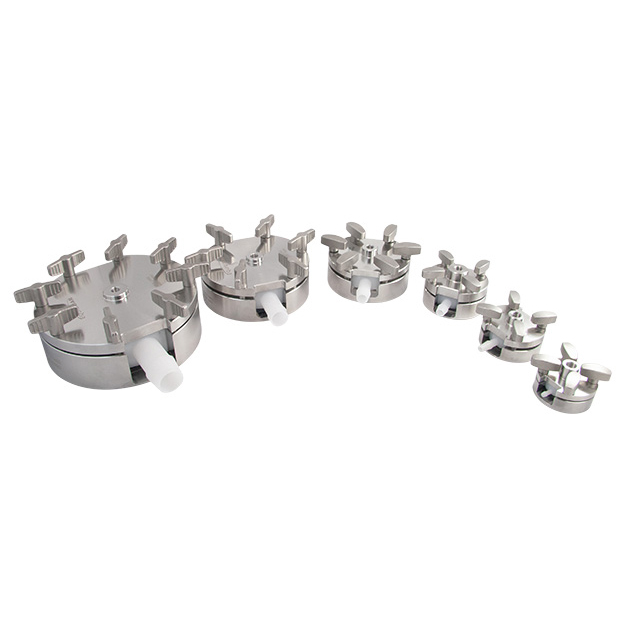
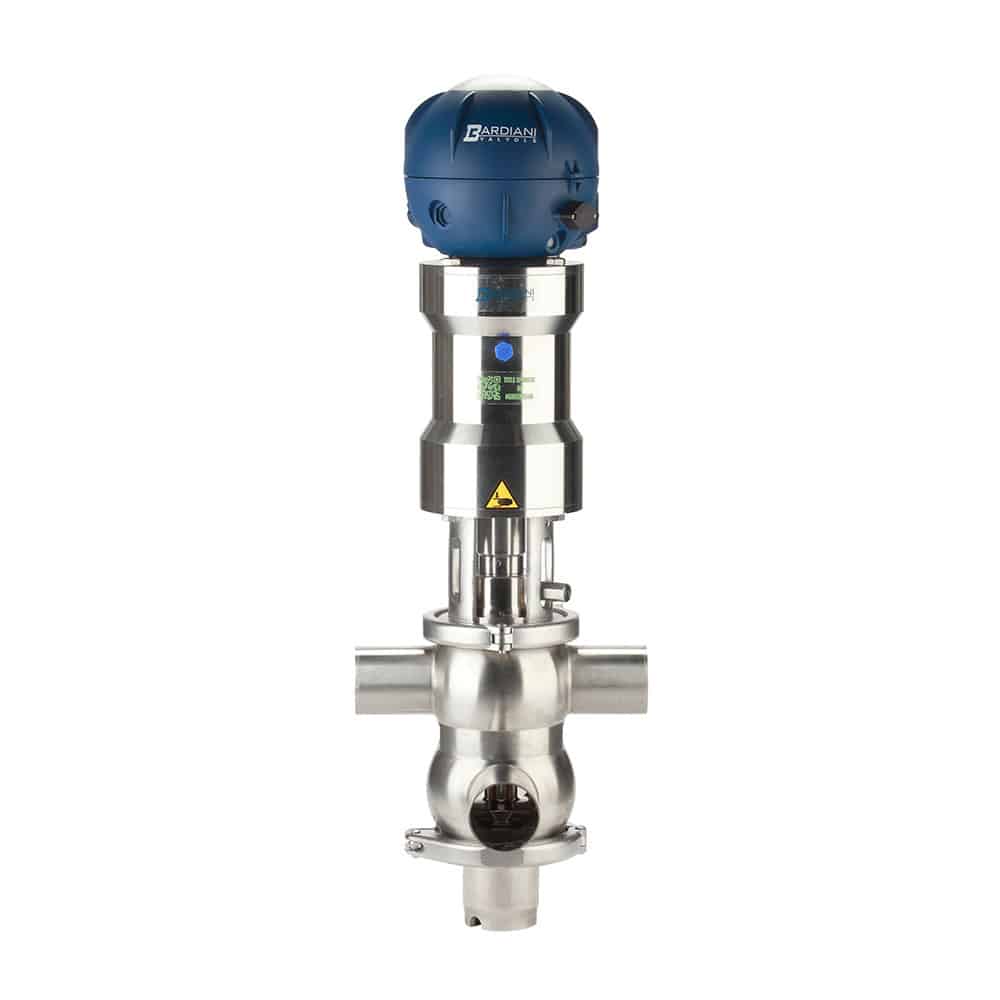
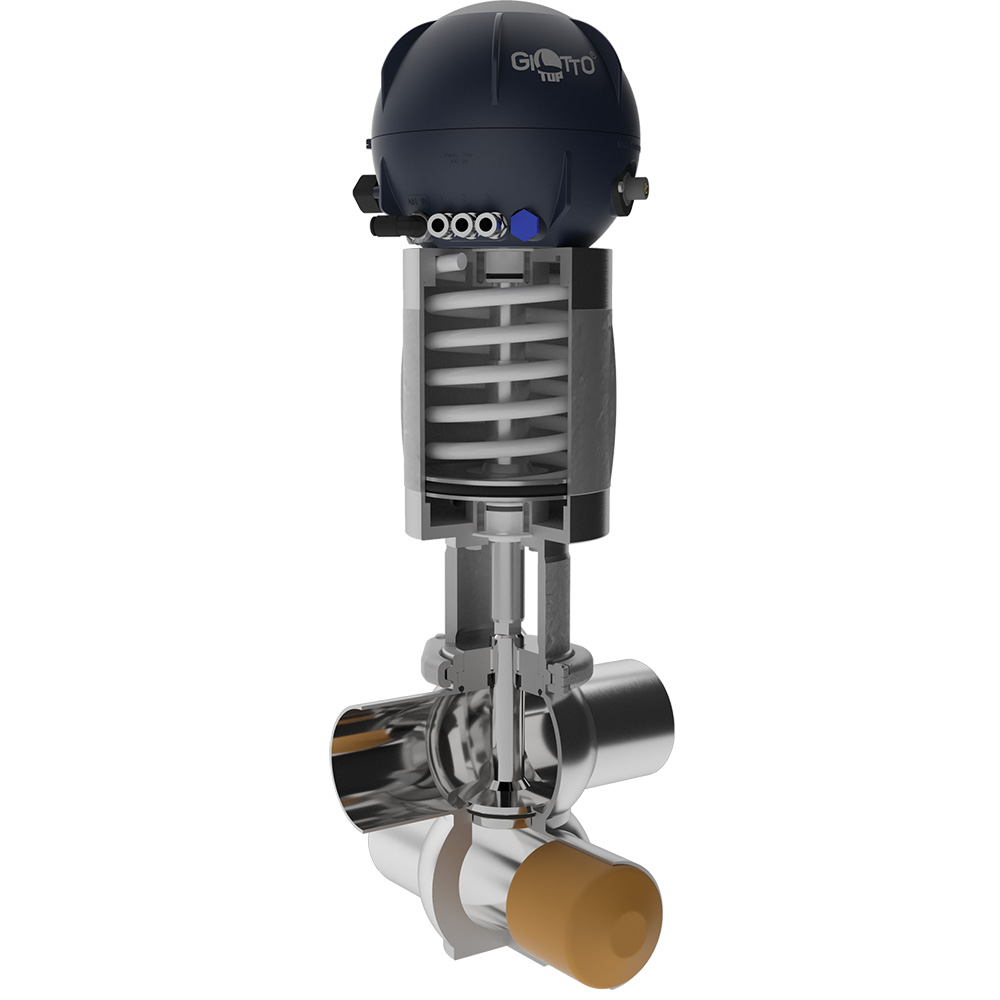
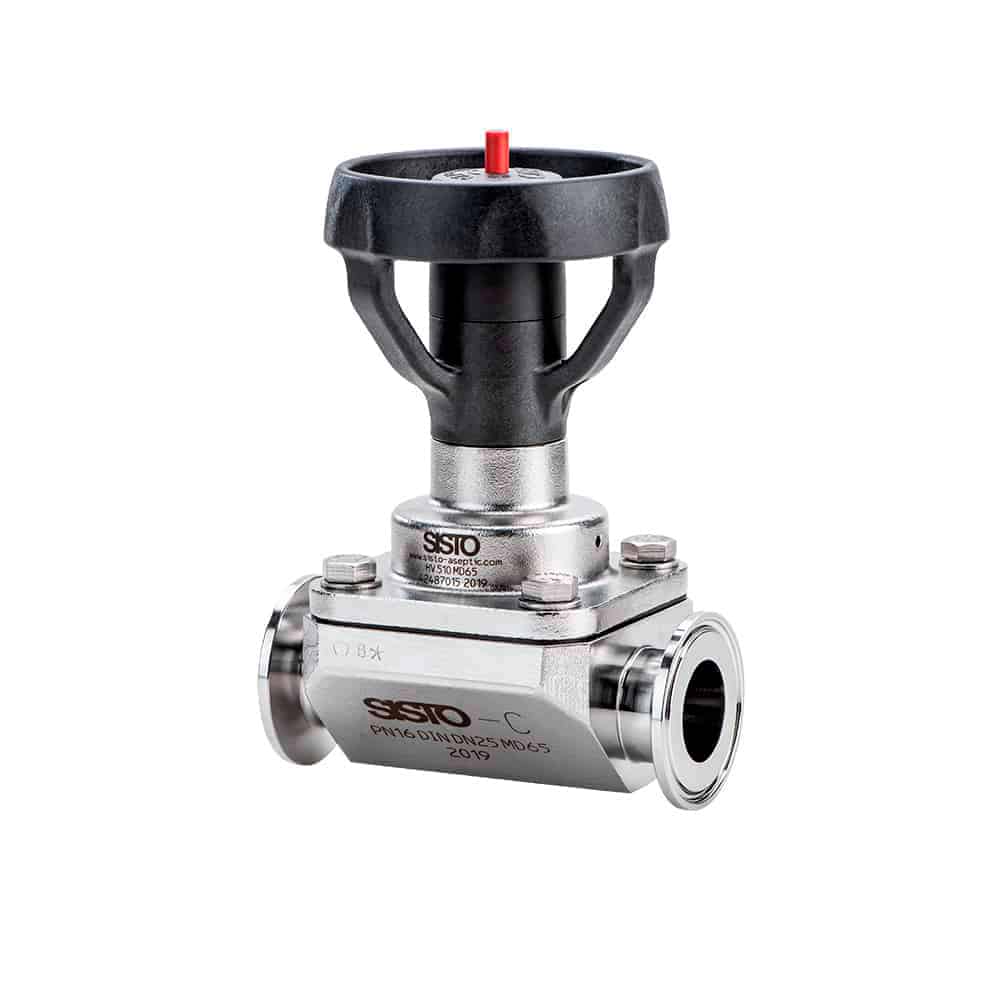
There are many different types of sanitary valves available for the sanitary industry - including globe valves, mixproof valves, control valves, butterfly valves, ball valves, check valves, diaphragm valves, etc. The valves can be either manual or automatic.
How are valves controlled?
A valve can be self-acting, manually operated or automated.
How to find the right valve?
To ensure correct valve selection, it is important to consider all necessary process and site data as well as customer preferences - such as capacity, pressure, temperature, viscosity, abrasives, solids, etc. - as these influence the choice of valve type and sealing arrangement as well as the choice of elastomers and surface finish.
What is a valve manifold?
A sanitary process typically includes a large number of valves, which are often installed close together to reduce the space needed and installation costs. Therefore, the valves are assembled in valve manifolds (clusters) where they are welded together or connected together with unions, and they are typically all mounted on a stainless steel frame for easy handling, shipping and installation on site.