Ohmic heating

– therefore we are testing whether electricity is the heat of the future

Electricity instead of steam

Electricity can provide faster heating and gentler treatment of the product. This is precisely what we have investigated in a project in collaboration with the Technological Institute, DTU, and a number of industrial partners.

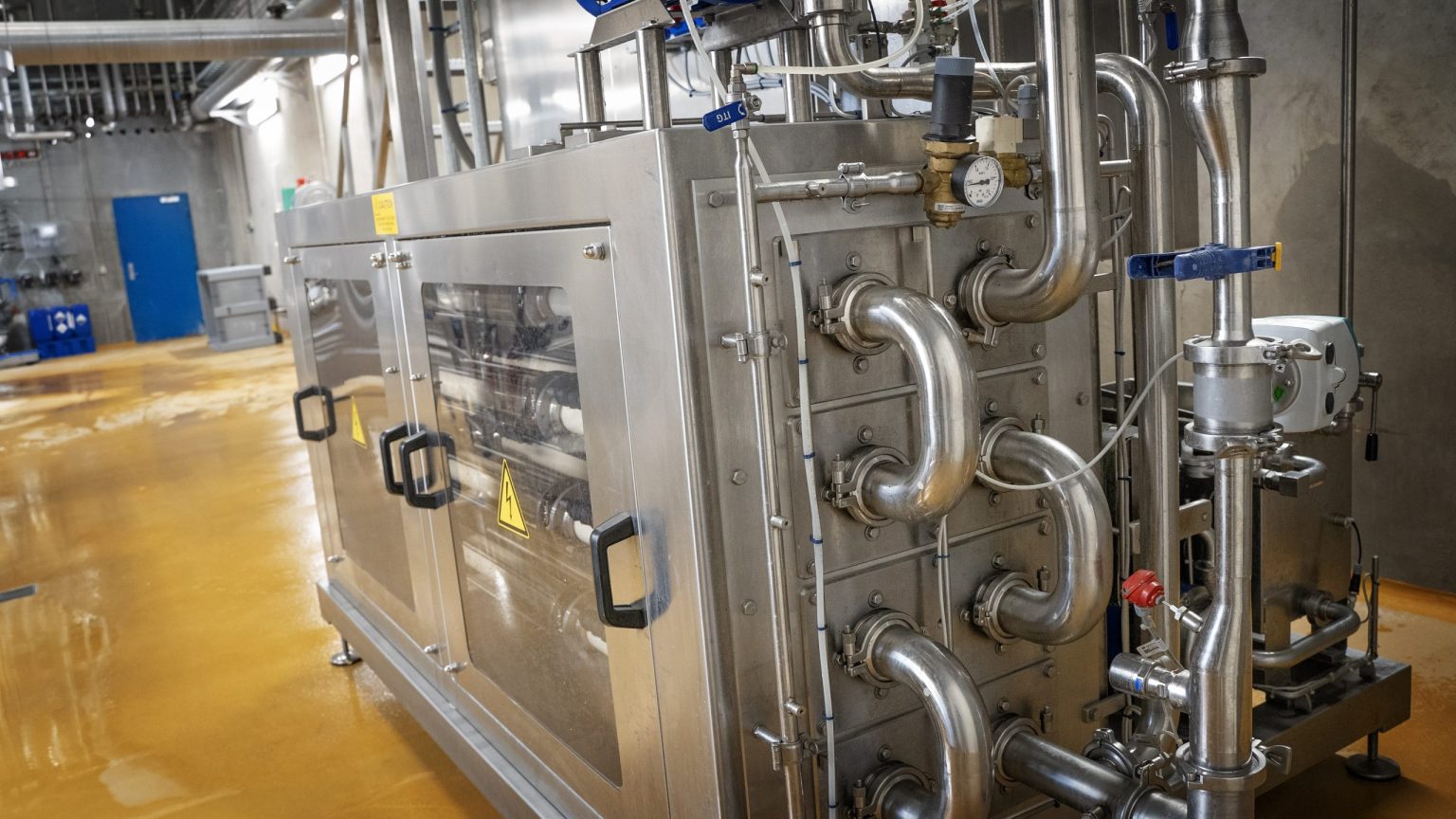
As a supplier of equipment for hygienic process equipment, we at Alflow have been involved in testing and analysing ohmic heating in practice – both on pilot plants and on scales that are similar to everyday industrial operations.

What is ohmic heating?

Ohmic heating is a method where electric current is passed directly through the product, which thereby deposits the energy/heat directly into the product. The technology is known from, for example, light bulbs – but here it is the food that is heated, without having to heat the surrounding equipment first.

This offers a number of potential benefits:

  • Faster and more energy-efficient heating
  • Less heat loss – the energy goes directly into the product
  • Improved working environment and less cleaning
  • Potential for a high degree of automation


What have we tested?

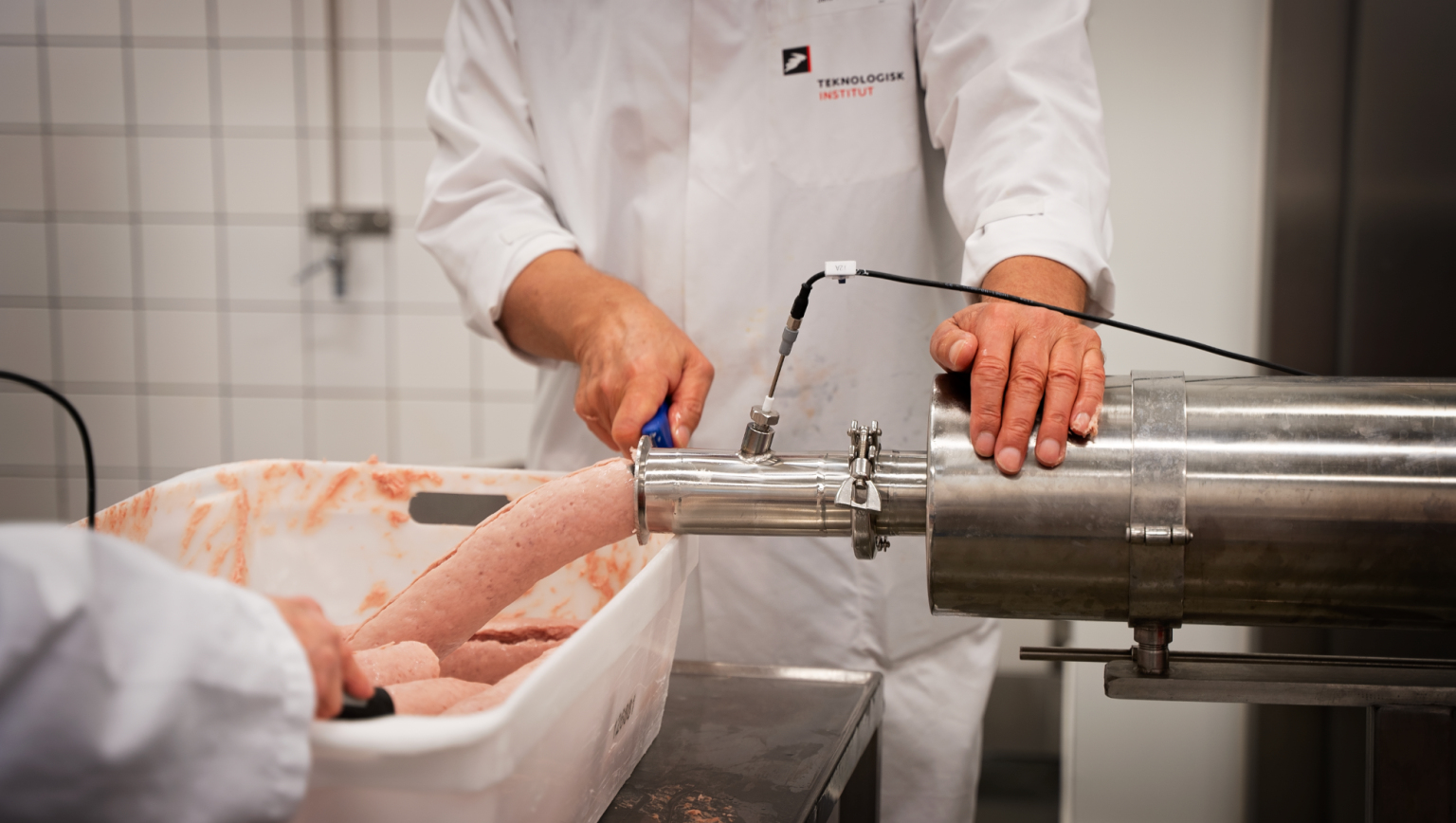
In collaboration with the Danish Technological Institute, we have tested ohmic heating on:

  • Sausages and cured meat products – achieved the same quality as with traditional thermal processing.
  • Fermented plant-based products – demonstrated challenges with scaling due to texture changes.
  • Industrial waste and fish for feed – heated quickly and efficiently.

Forprodukte with high electrical conductivity, such as fish and animal by-products, we could reduce the CO₂ footprint by up to 60–70 % compared to traditional steam heating.

Products with low salt content or a firm texture proved more difficult to heat effectively – especially in larger volumes.


Ohmic heating

Advantages – and limitations

Benefits:

  • Quick and efficient heating
  • Quality and nutrients are preserved
  • Suitable for both food and feed production
  • Documented CO₂ reduction of 60–70 % in selected applications
  • High energy efficiency (efficiency up to 96 %)

Limitations:

  • Requires sufficient electrical conductivity in the raw material
  • Temperature differences in larger products necessitate thorough process validation
  • Texture changes can affect pumpability and process flow
  • Not all products are suitable for continuous ohmic heating without process design adjustments

Why do we test it at Alflow?

At Alflow, we provide both equipment and technical expertise for projects like this.
We build on many years of experience with testing, commissioning, and general operation of ohmic systems –
both in experimental setups and in full-scale food productions around Denmark.

In addition, we have contributed knowledge regarding product materials and process requirements for various raw materials, including:

  • Ham and mince
  • Fermented plant-based masses
  • Fish and by-products for feed (DAKA)

We continuously work with the Danish Technological Institute and DTU to evaluate the technology's scalability and potential in the food industry.

Is it relevant to your production?

Ohmic heating isn't for everyone – yet. But if you work with liquid or pumpable products and are focused on energy efficiency, it might be worth testing.

“We have now seen that ohmic heating works in practice – and that it can deliver energy gains without compromising quality. Furthermore, it can contribute to product improvement and longer production times.”

Martin Kjældgaard Pedersen
Product & Field Service Manager, Alflow

Checklist: Is ohmic heating relevant for you?

  • Do you work with pumpable products?
  • Is there a requirement for gentle heating?
  • Is energy consumption and CO₂ reduction part of your strategy?
  • Does the current heating system have a limited uptime?
  • Would you like to test new technology in pilot or full scale?

The project partners and facts

  • Project Management: Danish Technological Institute
  • Alflow Scandinavia A/S: supplier and advisor, equipment and test facilities
  • DTU Food: nutrient analysis
  • DTU Sustain: LCA calculations
  • Participating companies: DAKA, FF Skagen, Danish Crown, Fermentation Experts
  • Project duration: 2.5 years
  • Total budget: 11 million DKK.
  • Supported by: The Danish Ministry of Higher Education and Science through Innovation Fund Denmark

Ready to test?

The Technological Institute has a pilot plant for ohmic heating where the process can be adapted to your product.

At Alflow, we are happy to advise on both equipment and possibilities in collaboration with the Technological Institute and other partners.

Want to hear more?

If you wish to hear more about ohmic heating from Emmepiemme, Martin would be happy to share his knowledge.
Martin
Martin Kjældgaard Pedersen
Product & Field Service Manager